

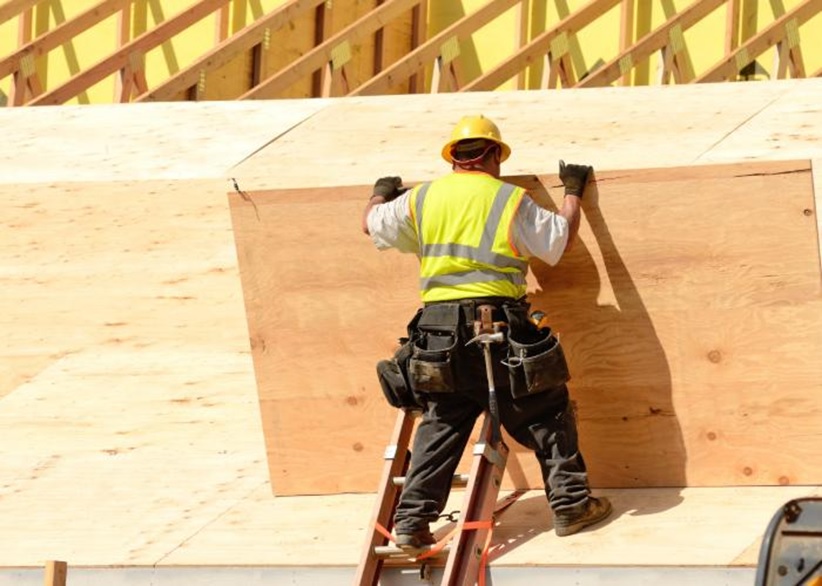
Roofs protect everything inside a home, yet most homeowners rarely think about how many layers sit above them. Repairs, replacements, and older building practices sometimes leave houses with stacked shingles or mixed materials. This creates real questions about what is safe and what puts stress on the structure.
Many homeowners only learn about roofing layers during an inspection. Finding two layers or even more can feel confusing if you are not familiar with how roofing systems work. Understanding these limits is important, especially when deciding whether to add new material or start over. This is where roof installation in Marlborough becomes an important topic for anyone preparing for repairs or a full replacement.
With the right information, roofing decisions become easier. Learning how the process works and why experts recommend certain methods helps you protect your home and avoid costly mistakes in the future.
Why Roofing Layers Matter
Every roofing layer adds weight. Shingles, underlayment, and nails all increase the load on the roof deck and framing. Homes are designed to support only a certain amount of weight, so stacking materials can put real strain on the structure.
Different types of shingles behave differently when placed under a second layer. Old shingles may curl or warp, creating an uneven surface. This reduces the lifespan of the new roof and increases the risk of water damage.
Ventilation is another important factor. Extra layers can trap heat and moisture, raising attic temperatures and speeding up wear on shingles. Good airflow helps extend the life of the roof.
How Many Layers Are Legally Allowed
Most building codes limit a home to one or two roofing layers. These rules protect the structure from stress and prevent hidden moisture problems. Some areas only allow one layer, while others permit two if the existing shingles are still in acceptable condition.
The purpose of these codes is safety. Too many layers trap moisture, increase weight, and make future repairs more difficult. When homeowners understand the reason behind these limits, the decision to remove old material becomes clearer.
Temporary patching sometimes uses additional materials, but these are not long-term solutions. Permanent roofing systems must follow local regulations.
Pros and Cons of Adding a Second Layer
Adding a second layer can reduce cost because the tear-off stage is skipped. For homeowners on a budget, this may feel appealing. The installation also proceeds more quickly when the old roof does not need to be removed.
However, re-roofing has real drawbacks. Any hidden damage remains buried. Moisture trapped beneath old shingles continues to spread. Weak decking never gets inspected. Over time, these problems grow until a full replacement becomes unavoidable.
When a Complete Tear Off Is the Better Choice
A full tear-off removes all old materials and exposes the roof deck. This allows contractors to inspect for rot, softness, or moisture issues that must be corrected. Starting with a clean surface leads to a stronger, more durable roof.
A single-layer roof also performs better long-term. It drains water more efficiently, handles weather changes more reliably, and shows fewer problems over the years.
A complete tear-off often increases property value as well. Buyers appreciate knowing that the entire roofing system is newer and built on a solid foundation.
Signs Your Roof Should Not Have Another Layer Added
If your roof already leaks, it cannot support another layer of shingles. Moisture problems must be corrected at their source. Covering them only hides the real issue.
Shingles that curl, crack, or warp also prevent proper installation. A new layer installed over uneven surfaces will not lie flat and will fail sooner.
Homes with many past patches or mismatched repairs are also poor candidates for layering. A roof in this condition needs a complete restart to perform well.
What to Expect During a Roof Inspection
A contractor begins by counting the existing layers. This determines whether a second layer is allowed. They then examine the shingles, flashing, gutters, and attic ventilation.
Next, they check the condition of the roof deck. Soft or weak areas indicate damage that needs to be repaired. This often determines whether the project requires a tear-off.
Finally, the contractor recommends the best repair path. If the structure is solid, re-roofing might work. If deeper issues are present, a new roof installation provides a safer long-term solution.
Why Professional Installation Matters
Roofing projects involve heavy materials, high surfaces, and precise techniques. Professionals know how to complete the work safely and correctly. They follow the manufacturer’s guidelines, which helps maintain product warranties.
A properly installed roof protects the home from weather, moisture, and long-term structural strain. Professional work also reduces the chance of future leaks or early replacement.
Choosing the Right Roofing Contractor
A reliable contractor offers experience, certifications, and a strong record of past work. Homeowners should check reviews and references to confirm consistent quality.
Comparing quotes is helpful, but the lowest price does not always offer the best value. Materials, workmanship, and communication all matter equally.
Clear explanations and detailed estimates show professionalism. A trustworthy contractor helps homeowners understand their options and choose the best course of action.
Conclusion
Understanding how many roofing layers your home can safely support is an important part of maintaining a strong and reliable roof. Building codes, structural concerns, and long-term performance all shape whether you should add a second layer or start fresh with a full tear-off. With the right guidance, roof installation becomes a straightforward process that protects your home for years to come.
For expert help and dependable service, contact Marlborough Roofers to schedule your roof inspection and take the next step toward a safer, longer-lasting roof.