
Paved surfaces support movement around homes, businesses, and shared properties. Driveways carry regular vehicle traffic, parking lots handle repeated turning and stopping, and access roads connect buildings with streets and service areas. Each surface faces different demands, yet all depend on stable preparation and proper drainage.
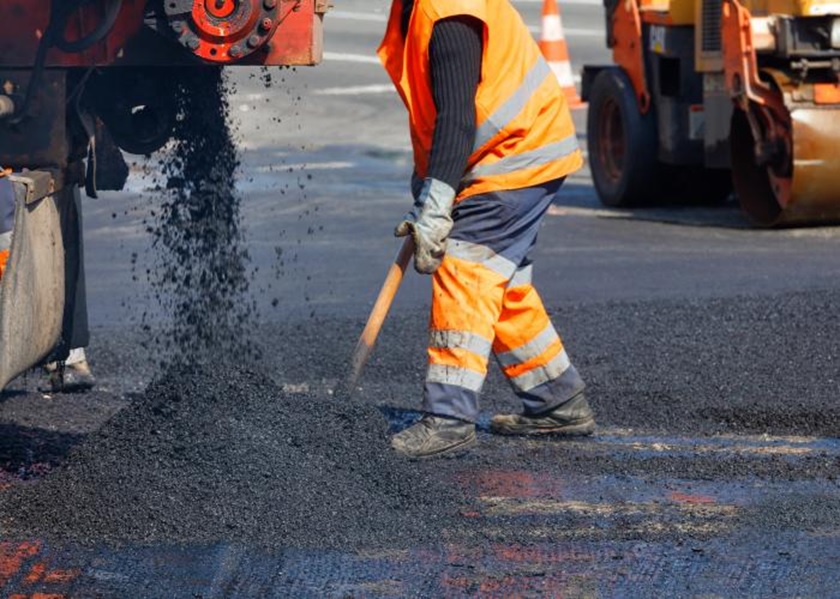
Asphalt Paving offers a flexible option for creating smooth surfaces that can handle regular vehicle traffic and changing weather conditions. Its performance depends on more than the top layer. Base strength, slope, drainage, traffic levels, and maintenance all influence how well the finished pavement holds up.
For properties that need a smoother and more durable surface, asphalt paving in Irving can be a practical option for driveways, parking lots, and access roads.
Driveways Need a Surface Built for Daily Use
Driveways experience steady wear from vehicles entering, leaving, turning, and parking in the same areas each day. Even a smaller driveway must support repeated loads without developing early cracks, depressions, or weak edges.
Vehicle weight is important. A driveway used mainly by passenger cars faces different pressure than one regularly used by work trucks, trailers, or delivery vehicles. Width and turning space also matter because tight turns can place added stress on the pavement.
A continuous asphalt surface suits regular driveway traffic, but its strength still depends heavily on what lies underneath.
Before paving, look at existing low spots, drainage patterns, and areas where previous pavement has settled.
Parking Lots Have More Complex Traffic Patterns
Parking lots handle more movement than parked vehicles alone. Cars enter, stop, turn, back out, and travel through the same driving lanes throughout the day.
Entrances and exits usually receive the highest traffic. Intersections, loading zones, accessible parking areas, and delivery routes may also experience heavier use than standard parking spaces.
Asphalt Paving plans should reflect these differences instead of treating every section of the lot the same. High-traffic lanes may need more preparation, while delivery areas may require stronger support for larger vehicles.
Layout matters too. A clear traffic pattern may reduce sharp turning, while proper drainage can keep water from collecting in travel lanes or parking spaces.
Access Roads Depend on Consistent Support
Access roads often cover longer distances than driveways or parking lots, which makes consistent preparation especially important.
Ground conditions may change from one section of the road to another. A soft area, poor compaction, or uneven base material can lead to rutting, depressions, or cracks after traffic begins using the surface.
Road width should also fit the vehicles expected to use it. Delivery trucks, service vehicles, and trailers may need wider turns and stronger edges than passenger cars.
Good grading and compaction give the pavement more even support across the road. Drainage should direct water away from the surface and prevent runoff from cutting along the edges.
The Base Determines How the Surface Performs
The Asphalt layer depends on the underlying material for support. If the base is weak, uneven, or poorly compacted, the surface above may begin to fail earlier.
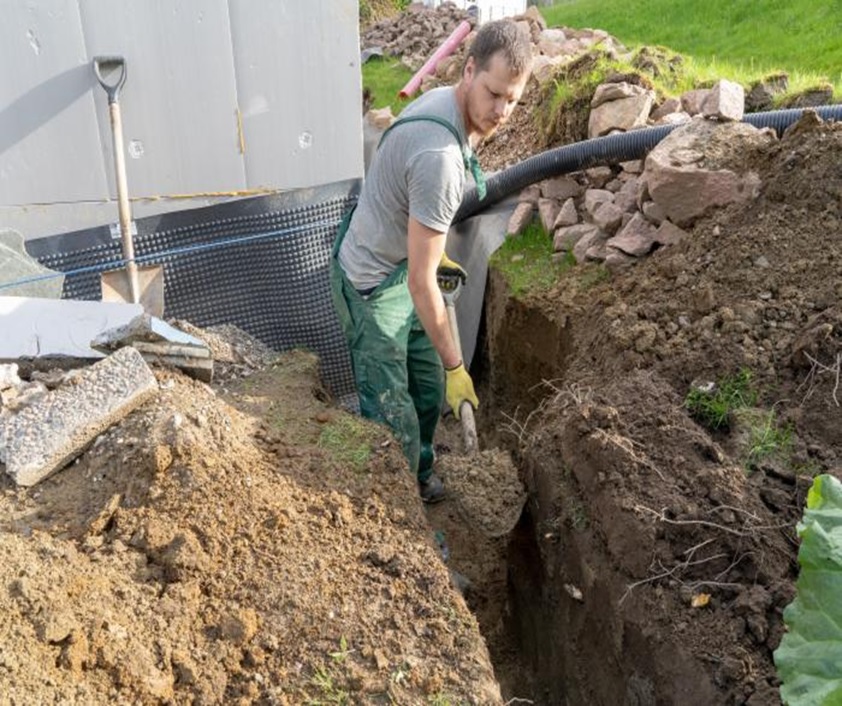
Preparation may involve removing unstable material, grading the site, compacting the base, correcting low areas, and creating proper slope for drainage.
Pavement over a stable base has stronger support for everyday use. Recurring cracks, sinking sections, or pavement that shifts under traffic may indicate problems beneath the surface.
Visual appearance should never be the only factor considered before paving. A smooth surface may still fail if the underlying layers were not prepared for the expected traffic and site conditions.
Drainage Is Part of Good Pavement Design
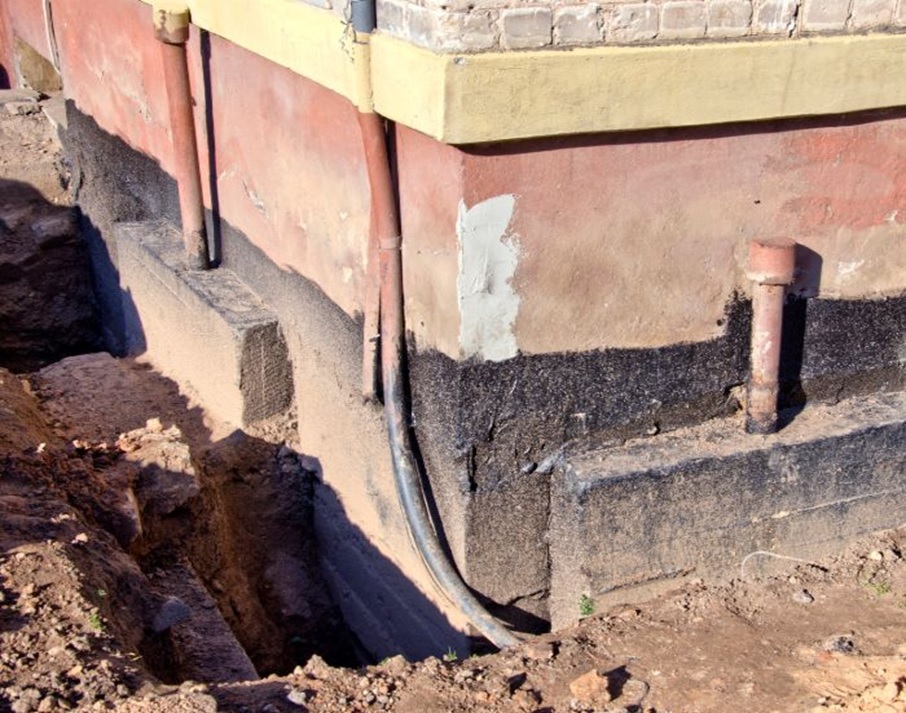
Water can affect pavement when it remains on the surface or reaches the layers below.
Low spots may collect rain after storms. Poor slope can direct runoff toward the wrong areas, while damaged edges may allow water to move beneath the pavement. Blocked drains can create similar problems.
Drainage should be considered before asphalt is installed. Once the surface is in place, correcting major slope problems may require more work.
Inspecting the property after heavy rain can reveal drainage issues. Puddles, slow-draining areas, and runoff crossing the pavement may expose problems that are difficult to notice during dry weather.
Planning where water will go is as important as planning where vehicles will travel.
Asphalt Can Be Repaired and Maintained Over Time
Another advantage of asphalt is that damage does not always require complete replacement.
Small cracks may be repaired before they widen. Isolated potholes can often be patched, while worn areas may sometimes be resurfaced if the underlying base remains stable.
Edges and drainage areas should also be inspected because damage there may spread to larger sections if ignored.
Asphalt Paving should be viewed as part of an ongoing maintenance plan rather than a surface that never needs attention. Regular inspections make it easier to notice changes early and decide when minor work may prevent broader deterioration.
Simple maintenance also shows how traffic and weather affect different parts of the paved area.
Match the Pavement Design to Its Actual Use
A lightly used driveway does not need to handle the same conditions as a busy parking lot or access road used by delivery vehicles.
Before paving begins, consider daily traffic volume, vehicle size, turning patterns, parking needs, and future property use. These details may influence base preparation, surface thickness, layout, and drainage.
Planning around actual use creates a more practical surface and reduces the chance of designing pavement for conditions that do not match the property.
Conclusion
Asphalt works well for driveways, parking lots, and access roads because it can be adapted to different traffic patterns and property layouts. Strong results depend on more than the visible surface. Base preparation, drainage, traffic, and maintenance all play important roles.
Looking at how the property is used before work begins can lead to better paving decisions and fewer avoidable problems later.
If you are planning a new driveway, parking lot, or access road, contact Irving Asphalt Paving Pros to discuss your property and explore paving options suited to your traffic and surface needs.