

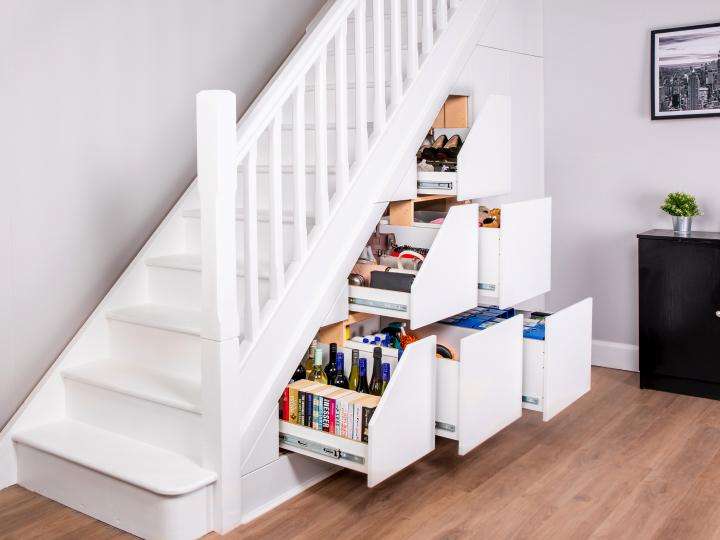
The environment humans inhabit acts as a direct extension of their internal mental landscape. When a living space is overwhelmed by physical objects, loose papers, and disorganized clutter, the brain struggles to find rest. This relationship is rooted in cognitive science, as the human visual cortex is constantly processing the surroundings. A chaotic room bombards the brain with excessive stimuli, forcing it to expend continuous energy monitoring the disorder.
This perpetual sensory overload raises cortisol levels, impairs working memory, and triggers subtle, ongoing anxiety. Conversely, entering a well-organized, intentionally structured space provides an immediate sense of psychological relief. Implementing smart storage solutions is not merely an exercise in home interior design or neatness. It is a vital intervention for mental well-being, providing the cognitive breathing room necessary for focus, creativity, and emotional restoration.
The Psychological Mechanics of Environmental Order
To understand why intelligent storage design directly influences state of mind, it is helpful to explore the concept of cognitive load. The brain possesses a finite amount of processing power at any given moment. Every misplaced item, pile of unread mail, or overflowing closet represents what psychologists refer to as an incomplete task or an open loop. Even when individuals are not actively thinking about the mess, the subconscious mind recognizes it as work that needs to be done.
This constant background awareness drains willpower and diminishes decision-making capabilities over the course of the day. Furthermore, physical clutter frequently induces feelings of guilt and helplessness. It serves as a visual reminder of a perceived lack of control or an inability to manage daily responsibilities. By utilizing systems that systematically remove these items from the immediate field of vision and assign them a logical home, individuals effectively close these mental loops, freeing up valuable bandwidth for meaningful cognitive tasks.
Architectural Principles of Mental Clarity Storage
Smart storage is distinct from simply buying more plastic bins or hiding possessions in cardboard boxes under the bed. True space optimization relies on strategic principles that balance accessibility with visual minimalism.
The Doctrine of Visual Rest
The primary objective of storage for mental health is to create clean sightlines and expansive zones of visual rest. This means designing a space where the eyes can scan a room without hitting jarring pockets of disorder.
-
Closed Cabinetry: Choosing solid cabinet doors over open shelving hides the inherent visual noise of everyday items like books, electronics, and kitchen appliances.
-
Integrated Furniture: Utilizing multi-functional furniture, such as beds with built-in hydraulic storage drawers or ottomans that double as linen chests, maximizes utility without expanding the room’s physical footprint.
-
Monochromatic Container Systems: When storage containers must be visible, using identical, opaque bins in neutral tones helps them blend seamlessly into the architecture rather than drawing focus.
The Zoning Method and Cognitive Ergonomics
A smart storage system respects human behavioral patterns. The zoning method categorizes items based on the frequency of their use, creating a logical hierarchy that simplifies daily routines.
-
Primary Zone: Items used every day should reside between knee and shoulder height, requiring minimal effort to retrieve and replace.
-
Secondary Zone: Items accessed weekly or monthly belong in lower drawers or upper cabinet shelves.
-
Tertiary Zone: Seasonal or deep-storage belongings are relegated to high lofts, basements, or the back corners of closets.
By organizing spaces this way, individuals eliminate the daily micro-frustrations of digging through piles of unrelated objects to find essential tools, reinforcing a sense of control and predictability in their environment.
Room-by-Room Strategies for Mental Optimization
Every area of the home serves a distinct psychological function. Tailoring storage configurations to support these specific purposes amplifies the therapeutic benefits of organization.
The Kitchen: Streamlining the Neural Command Center
The kitchen is often the highest-traffic zone in a household, making it susceptible to rapid disorganization. A chaotic kitchen increases stress during meal preparation, leading to poor dietary choices and heightened domestic tension.
-
Clear Work Surfaces: Clear countertops entirely of non-essential items, storing blenders, spices, and utensil holders inside deep pull-out drawers.
-
The Tension-Free Pantry: Group foods by category using clear modular containers, which reduces the cognitive effort needed to take inventory and plan meals.
The Bedroom: Safeguarding the Sanctuary of Sleep
The bedroom must function as a neurological safe haven to promote restorative sleep. Facing an open, cluttered closet or a chair piled with clothing before turning off the lights disrupts the body’s natural transition into a calm, parasympathetic state.
-
Hidden Wardrobe Solutions: Implement floor-to-ceiling custom built-ins that isolate clothing, shoes, and accessories behind sleek, flush doors.
-
Minimalist Nightstands: Keep bedside tables completely clear of books, charging cables, and medication, utilizing nightstands with deep drawers to conceal evening necessities.
The Workspace: Eliminating Digital and Physical Friction
Whether working from a home office or a corporate cubicle, physical clutter correlates directly with reduced attention spans and professional procrastination.
-
Concealed Cable Management: Route power strips and data cords beneath desks or inside dedicated cable management trays, eliminating the visual web of wire clutter.
-
The In-Sight, Out-of-Mind Filing System: Move active paperwork into vertical desktop organizers, while archiving historical documents in mobile filing drawers beneath the desk line.
Maintaining the System Without Emotional Exhaustion
The greatest pitfall of home organization projects is the tendency to create rigid, high-maintenance systems that are impossible to sustain. True smart storage is forgiving and designed to accommodate the natural ebb and flow of a busy lifestyle.
To prevent organization from becoming an additional chore, build maintenance habits around simple micro-routines. One effective strategy is the one-in, one-out rule, where introducing a new object requires discarding or donating an existing one, maintaining an equilibrium of possessions.
Additionally, embrace the concept of drop zones. Establish intentional baskets near main entryways for keys, mail, and bags. These act as buffer zones that catch items during chaotic moments of the day, allowing them to be processed later when mental energy returns.
Frequently Asked Questions
How do I know if I have a storage problem or simply too much stuff?
A storage problem exists when you have a reasonable volume of items but lack the structural systems, shelving, or zoning to access them efficiently. However, if your closets are completely full, your flat surfaces are consistently buried, and you find yourself buying duplicate items because you cannot locate the originals, you are likely dealing with an excess of possessions. Storage solutions cannot solve an underlying surplus; physical decluttering must always precede storage design.
What is the financial impact of investing in hidden or integrated storage systems?
While high-quality integrated storage systems, such as custom built-ins or modular closet configurations, require a higher initial financial investment compared to basic freestanding shelving, they yield significant long-term returns. Beyond increasing the appraisal value of residential property, these systems reduce the unnecessary expense of buying duplicate goods and save substantial personal time otherwise spent cleaning, sorting, and searching for lost items.
How does smart storage benefit children and their cognitive development?
Children are highly vulnerable to visual environmental chaos, which often manifests as shorter attention spans, behavioral irritability, and difficulties with emotional self-regulation. Low-height, open-front storage bins with simple visual labels empower children to manage their own belongings independently. This predictable structure fosters a sense of security, reduces transition anxiety between activities, and encourages sustained focus during play.
Can changing my home storage habits really help reduce clinical symptoms of anxiety?
While storage systems are not a replacement for comprehensive mental health treatment, optimizing your physical space is a highly effective environmental intervention. Lowering the volume of external visual stimuli directly reduces the baseline workload of the nervous system. For individuals experiencing anxiety, a neat, highly predictable home provides an anchor of external control when internal emotions feel volatile.
Is digital clutter just as harmful to mental clarity as physical clutter?
Yes, digital clutter operates on the exact same cognitive principles as physical clutter. Unorganized computer desktops, thousands of unread emails, and chaotic phone apps generate constant micro-reminders of undone tasks. Applying smart storage principles to devices, such as setting up a strict nested folder hierarchy, utilizing cloud archives for older files, and keeping device home screens entirely clear, is essential for modern mental focus.
How do I maintain an organized home if my family members refuse to participate?
Attempting to force other household members into strict organizational systems often results in domestic friction. The most effective approach is to focus exclusively on public shared zones and your own private spaces. Establish simple, low-effort drop zones for family items rather than demanding precise filing. Often, when family members experience the palpable calm and efficiency of your organized areas, they naturally begin to adopt similar habits without direct confrontation.