

A good fitness routine should improve more than workout performance. It should make daily life feel easier. Climbing stairs, carrying groceries, sitting with better posture, playing with children, commuting, and handling busy days all become easier when the body is stronger and more energized. That is why a practical gym singapore routine can support not only fitness goals, but also everyday movement and long-term physical confidence.
Many people think of the gym only as a place for weight loss or muscle building. Those goals matter, but the gym can also help people move better, feel more energetic, and handle daily tasks with less strain.
Strength Is Useful Outside the Gym
Strength training is not only for athletes or bodybuilders. It supports ordinary life. Strong legs help with stairs and walking. A stronger back supports posture. Strong shoulders and arms help with carrying and lifting. A stronger core helps the body stay stable.
Everyday movement depends on strength more than many people realize. When the body lacks strength, simple tasks can feel tiring. Over time, people may avoid activity because movement feels harder than it should.
A gym routine can help reverse this by gradually building physical capacity.
Energy Improves When the Body Moves Regularly
It may seem strange, but regular exercise often helps people feel more energetic. Inactive routines can make the body feel sluggish. Long sitting hours, poor posture, and low movement can reduce daily vitality.
Gym workouts increase circulation, activate muscles, and challenge the cardiovascular system. Over time, this can help improve stamina and reduce the feeling of being easily tired.
The key is consistency. One hard workout may leave someone tired, but a balanced routine repeated over time can support better daily energy.
Strength Training Builds Physical Confidence
Many people feel unsure about their body because they do not feel physically capable. Strength training can change that. When someone learns to lift, push, pull, squat, and carry with better form, confidence grows.
This confidence extends beyond the gym. A person may feel more comfortable lifting luggage, moving furniture, carrying shopping bags, or walking longer distances.
Strength changes how people experience their own body. It helps them feel capable instead of fragile.
Cardio Supports Daily Stamina
Cardio training helps the body manage sustained activity. This can make everyday life easier. People may feel less breathless during stairs, more comfortable walking through the city, and less drained after a busy day.
Cardio does not need to mean long runs. It can include cycling, treadmill walking, rowing, elliptical training, group classes, or interval-style workouts.
The best cardio option is the one the person can maintain consistently.
Mobility Helps Movement Feel Better
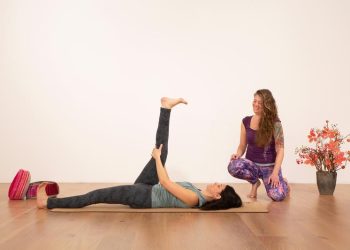
Strength and cardio are important, but mobility should not be ignored. Mobility helps joints move through comfortable ranges. It supports better posture, easier exercise technique, and reduced stiffness.
A gym routine can include stretching, warm-ups, cooldowns, and mobility-focused movements. These do not need to take a long time. Even 10 minutes before or after training can help.
People who sit for long hours often benefit from mobility work around the hips, shoulders, spine, and ankles.
Core Strength Supports Posture
The core is involved in nearly every movement. It helps stabilize the spine, supports posture, and allows the arms and legs to move with control.
A gym routine can train the core through direct exercises and full-body movements. Squats, deadlifts, cable exercises, carries, planks, and controlled class movements can all involve the core.
A stronger core can help people feel more stable during daily life. It may also support better posture during work and movement.
Better Movement Reduces Daily Strain
When the body is weak or stiff, daily tasks can create strain. People may use poor movement patterns, rely too much on the lower back, or feel discomfort after simple activities.
Training helps people learn better movement. A gym routine can teach proper lifting, controlled bending, stable stepping, and better body awareness.
Over time, this can make movement feel smoother and more efficient.
Fitness Can Support Mental Energy
Physical energy and mental energy are connected. When people move regularly, they often feel more alert and focused. Exercise can also provide a break from stress, screens, and daily pressure.
A gym session gives the mind a different focus. Instead of thinking about work, messages, or errands, the person focuses on breathing, movement, and effort.
This mental reset can improve how people feel after training.
Group Classes Add Motivation
Some people struggle to train alone. Group classes can make exercise easier to maintain because they provide structure and energy.
An instructor leads the workout. Music creates pace. The group atmosphere helps motivation. This can be especially helpful for people who want movement but do not want to plan every session.
Classes can support strength, cardio, coordination, and confidence depending on the format.
Personal Training Can Improve Movement Quality
A trainer can help people move better. This is important because effort alone is not enough. Good technique improves safety and effectiveness.
Personal training can help with posture, exercise selection, form correction, and goal planning. It can also help people feel more confident using equipment.
For people who want better everyday movement, professional guidance can be valuable because it teaches skills that carry outside the gym.
Everyday Fitness Should Be Practical
A routine designed for everyday movement should not be overly complicated. It should include basic strength, cardio, mobility, and recovery.
A practical weekly plan might include two strength sessions, one cardio or class session, one mobility-focused day, and regular walking. This is enough for many people to build a strong foundation.
The goal is not to train like a professional athlete. The goal is to feel better in ordinary life.
Recovery Supports Energy
Training without recovery can reduce energy. People who push too hard every day may feel sore, tired, or unmotivated. Recovery allows the body to adapt.
Sleep, hydration, balanced meals, rest days, and lighter movement all support recovery. A good gym routine should include these elements.
When recovery is respected, workouts feel better and daily energy improves.
Nutrition Matters Too
Food supports strength and energy. People who train regularly need enough protein, carbohydrates, fluids, and overall nutrition. Skipping meals or eating poorly can make workouts feel harder.
A simple approach works best. Eat balanced meals, include protein, drink water, and plan food around workout times.
Good nutrition helps the body respond to training.
Progress Shows Up in Daily Life
Gym progress is not only measured in weights or body changes. It may show up when stairs feel easier, posture improves, energy lasts longer, or carrying groceries feels less tiring.
These daily wins matter. They show that fitness is improving real life.
People should notice and value these changes because they are often the most meaningful results.
Building a Stronger Daily Body
A gym routine can support strength, energy, and everyday movement when it is balanced and consistent. It helps the body become more capable, more stable, and more prepared for daily demands.
People who want gym facilities, classes, and training support that fit different goals can explore TFX Singapore as part of a routine that supports both workout progress and everyday physical confidence.