
A large gym can look impressive at first glance. More space, more machines, more mirrors, and more training zones can create a strong first impression. But size alone does not make a gym effective. The real question is whether the space helps people train with purpose, build consistency, and progress safely.
People searching for the best gym singapore often compare facilities based on location, equipment, and appearance. Those factors matter, but coaching and programming may matter even more. A smaller but well-structured training environment can often serve members better than a large space with no clear guidance.
Why Gym Size Can Be Misleading
A big gym may feel exciting during a tour, but daily use is different. Members may still feel unsure about what to do, how to progress, or how to train safely. Equipment variety is useful only when people know how to use it well.
A gym’s value should be judged by how well it supports real training behavior. Does it help people choose the right workout? Does it offer classes with clear structure? Does it guide members toward balanced routines? Does it help them avoid random exercise habits?
Size does not answer these questions. Coaching and programming do.
What Good Programming Means
Programming refers to the structure behind workouts. It is the difference between randomly using machines and following a plan that supports a goal. Good programming considers balance, progression, recovery, and training variety.
A well-programmed routine may include:
- Strength training
- Cardio conditioning
- Mobility work
- Recovery sessions
- Progressive overload
- Rest days
- Class variety
- Goal-based adjustments
Programming helps people avoid doing too much of one thing and too little of another.
Random Workouts Create Random Results
Many gym users exercise without a plan. They choose whatever machine is free, repeat familiar exercises, or copy workouts from social media. This may feel active, but it does not always lead to steady progress.
Random workouts can create problems such as:
- Training the same muscles too often
- Ignoring mobility
- Skipping lower-body work
- Doing too much high-intensity exercise
- Not progressing weight or resistance
- Becoming bored
- Losing motivation
Good coaching and programming reduce these issues by giving structure.
Coaching Builds Confidence
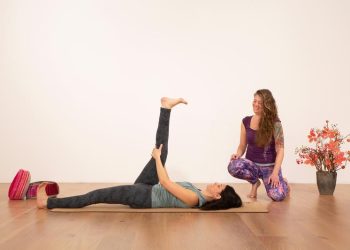
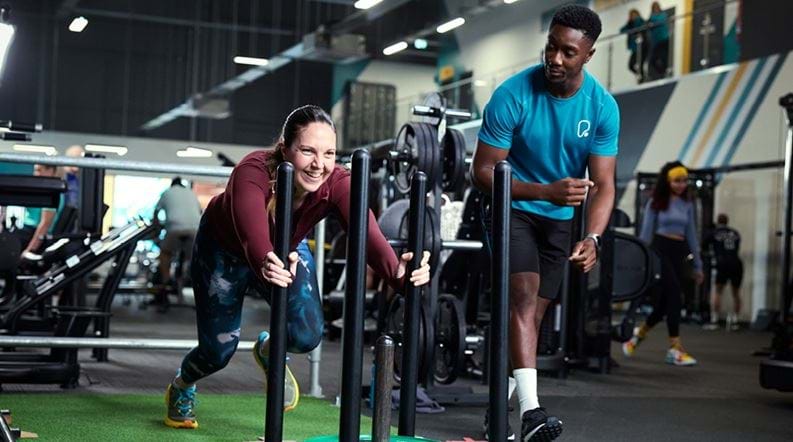
Coaching is not only for athletes or people with advanced goals. It can help anyone who wants to move better, train more safely, or understand what they are doing.
A coach or instructor can help with:
- Exercise technique
- Workout structure
- Pace and intensity
- Class participation
- Goal setting
- Progress adjustments
- Motivation
- Avoiding common mistakes
For people who feel intimidated in a gym, coaching can make the environment more approachable.
Confidence Keeps People Coming Back
When people know what they are doing, they are more likely to return. Confusion creates friction. Confidence creates momentum. A gym with good coaching support can help members move from uncertainty to routine.
Group Classes Are a Form of Programming
People often think of programming only as personal training, but group classes also provide structure. A well-designed class gives participants a planned session with warmup, main work, pacing, and cooldown.
This can be especially helpful for people who do not want to plan every workout alone. A class reduces decision-making and gives the member a complete training experience.
Good class programming considers intensity, safety, progression, and variety. It should not simply push people hard every time.
Bigger Gyms Can Still Feel Confusing
A large facility may offer many options, but too many options can overwhelm members. Someone may not know whether to lift weights, run, attend a class, stretch, or use machines. Without guidance, they may default to the same comfortable routine.
This is why programming matters. It helps members make sense of the options. A gym becomes more valuable when its size is paired with clear training pathways.
Coaching Helps Prevent Overtraining
Some motivated members do too much too soon. They join a gym and train hard every day, then become sore, tired, or discouraged. Coaching can help them balance effort with recovery.
A smart program includes both challenge and rest. It helps people build capacity gradually rather than burning out quickly.
This is especially important for people returning to fitness after a long break or starting a new routine in a busy work season.
Goal-Based Training Needs Structure
Different goals require different approaches. Someone who wants strength needs a different plan from someone focused on stamina, mobility, or stress management. Without programming, many people use the same workout for every goal.
A structured approach can match training to purpose.
For example:
- Strength goals need progressive resistance.
- Cardio goals need planned intensity and duration.
- Mobility goals need regular movement quality work.
- Weight management goals benefit from consistency and mixed training.
- Stress relief goals may include yoga, cycling, or moderate movement.
A gym that supports these differences can serve members better.
Coaching Adds Human Context
Apps and online workouts are useful, but they cannot always read the person in front of them. Human coaching adds context. An instructor can notice if a participant is moving poorly, losing form, or pushing too hard.
This matters because people have different bodies, schedules, stress levels, and experience. A plan should be practical, not perfect on paper.
Human support helps members adjust training to real life.
Programming Makes Progress Visible
A structured program helps people see improvement. They can track weights, repetitions, class attendance, stamina, mobility, or energy levels. Progress becomes clearer when training has direction.
Visible progress improves motivation. People are more likely to stay consistent when they can see that their effort is leading somewhere.
Without programming, it is harder to know whether a routine is working.
Gym Culture Is Shaped by Instruction
A gym’s culture is not only created by branding or design. It is shaped by how people are guided. Good instructors and coaches can create a culture of safety, consistency, respect, and steady progress.
This culture matters. Members should feel encouraged to train at their own level without comparing themselves to others. They should feel that fitness is a long-term process, not a performance.
The Best Facility Combines Space and Structure
This does not mean gym size is irrelevant. Space matters. Equipment matters. Class studios matter. But these features are strongest when paired with coaching and programming.
A large gym with strong programming can be highly useful. A large gym without structure can feel like a warehouse of equipment. A smaller gym with excellent guidance can still deliver strong results.
The best experience combines both physical resources and thoughtful direction.
What Members Should Look For
When choosing a gym, people should ask questions beyond size.
Helpful questions include:
- Are classes clearly structured?
- Is help available when I need it?
- Are there options for different fitness levels?
- Does the gym support strength, cardio, and mobility?
- Can I progress over time?
- Does the environment encourage good habits?
- Is the schedule realistic for my life?
These questions reveal whether the gym is built for real training.
Where Brand Fit Matters
A gym should not only impress people with its size. It should help them train with clarity, confidence, and consistency. Coaching, classes, programming, and support can make the difference between occasional exercise and a lasting routine.
For people comparing indoor fitness options, True Fitness Singapore can be considered as part of a broader search for a structured gym environment that supports purposeful training in Singapore.
FAQ
Is a bigger gym always better?
No. A bigger gym may offer more space and equipment, but it is not automatically better. Coaching, programming, convenience, and comfort are also important.
Why does programming matter in fitness?
Programming gives structure to workouts. It helps people train toward goals, balance intensity, and progress over time.
Can group classes replace personal programming?
Group classes can provide strong structure for many people. However, those with specific goals may still benefit from more personalized guidance.
What should people prioritize when choosing a gym?
They should prioritize convenience, training variety, coaching support, clean facilities, and whether the gym fits their long-term routine.