

Modern life is characterized by a state of constant alertness. From the moment the alarm sounds to the final scroll of a smartphone before bed, the human nervous system is continuously bombarded with stimuli. This perpetual engagement keeps the body in a sustained state of low-grade stress, often referred to as the “fight-or-flight” response. Over time, this chronic activation depletes physical energy, impairs cognitive function, and erodes emotional resilience. While conventional sleep is the primary mechanism for recovery, it is frequently compromised by the very stress individuals seek to escape.
Yoga Nidra offers a systematic alternative for profound restoration. Often translated as “yogic sleep,” Yoga Nidra is an ancient, structured meditation practice that guides the practitioner into a conscious state between wakefulness and sleep. Unlike traditional meditation, which requires active focus or concentration, Yoga Nidra emphasizes complete physical, mental, and emotional relaxation. By systematically withdrawing the senses and rotating consciousness through the body, this practice accesses the deeper layers of the nervous system, facilitating healing and restoration that rivals or exceeds the benefits of conventional rest.
The Physiology of Yogic Sleep
To understand how Yoga Nidra induces deep restoration, it is essential to examine its impact on the brain and the autonomic nervous system. The practice acts as a bridge between the sympathetic nervous system, which drives action and stress, and the parasympathetic nervous system, which governs rest, digestion, and cellular repair.
During a standard day, the human brain primarily operates in beta waves, characterized by active thinking, logic, and problem-solving. When a practitioner settles into a Yoga Nidra session, the brain begins to slow down, shifting into alpha waves. Alpha waves are associated with relaxed alertness, creativity, and a reduction in anxiety.
As the practice deepens, the brain enters the theta wave spectrum. Theta waves represent the twilight zone between waking and sleeping, a state where the conscious mind steps back, allowing the subconscious to process emotions, memories, and deeply ingrained habits.
In the deepest stages of Yoga Nidra, highly experienced practitioners can access delta waves while remaining conscious. Delta waves are the slowest brain waves and are typically reserved for deep, dreamless sleep. It is during the delta state that the body undergoes its most significant physical repair, releasing growth hormones, reducing cortisol levels, and reducing systemic inflammation. By consciously entering these slower wave states, Yoga Nidra allows the body to achieve the restorative benefits of deep sleep while maintaining a thread of awareness.
The Structural Framework of the Practice
Yoga Nidra is not a random visualization exercise; it is a highly structured process derived from ancient tantric texts and modernized by masters like Swami Satyananda Saraswati. A traditional session follows a specific sequence designed to disengage the mind from external distractions and turn attention inward.
The Foundation of Intent: Sankalpa
The practice typically begins with the formulation of a Sankalpa, a short, positive statement stated in the present tense. The Sankalpa represents a deeply held intention or desire for transformation, such as “I am grounded and at peace.” Because the Sankalpa is introduced when the mind is highly receptive—just before entering the deeper brainwave states and right before returning to waking consciousness—it bypasses the critical analytical mind and plants itself firmly in the subconscious, driving behavioral change from the inside out.
The Rotation of Consciousness
A core component of Yoga Nidra is the systematic rotation of consciousness throughout the physical body. The facilitator guides the practitioner’s attention to specific points—starting with the right thumb, moving through the fingers, hand, arm, and down to the toes, before repeating the process on the left side and the torso.
This precise sequencing corresponds directly to the sensory homunculus, the map of the body mapped onto the brain’s primary somatosensory cortex. By moving awareness rapidly from one body part to the next, the mind remains engaged enough to prevent sleep, yet relaxed enough to release physical tension held within the muscle tissues.
Breath Awareness and Emotional Integration
Following the body scan, the practice shifts toward breath awareness. Practitioners observe the natural rhythm of their inhalation and exhalation, often counting backward or visualization techniques. This further steadies the mind and stabilizes the autonomic nervous system.
The subsequent stage involves the pairs of opposites, where practitioners are asked to evoke contrasting sensations or emotions, such as heat and cold, heaviness and lightness, or joy and sorrow. Experiencing these opposites in a safe, controlled state trains the brain to remain neutral and resilient when encountering emotional volatility in daily life.
Cognitive and Emotional Benefits
The restorative power of Yoga Nidra extends far beyond physical relaxation. Because it operates at the intersection of the conscious and subconscious mind, it serves as a powerful tool for emotional regulation and cognitive enhancement.
-
Stress and Cortisol Reduction: By down-regulating the sympathetic nervous system, Yoga Nidra reduces the production of stress hormones like cortisol and adrenaline. Lower cortisol levels contribute to improved immune function, better metabolic health, and reduced blood pressure.
-
Resolution of Trauma and Anxiety: The theta and delta states accessed during the practice allow individuals to meet suppressed emotions and unresolved traumas from a place of detached observation. This process, known as detachment or Pratyahara, helps neutralize emotional triggers without re-traumatizing the individual.
-
Enhanced Neuroplasticity: The deeply relaxed state of Yoga Nidra enhances the brain’s ability to reorganize itself by forming new neural connections. This increased neuroplasticity improves memory retention, cognitive flexibility, and problem-solving abilities.
-
Improved Sleep Architecture: Regular practitioners often report significant improvements in their nighttime sleep quality. Yoga Nidra trains the nervous system to transition smoothly into lower brainwave states, making it easier to fall asleep and stay asleep naturally.
Incorporating Yoga Nidra Into Daily Life
One of the most significant advantages of Yoga Nidra is its accessibility. Unlike active styles of yoga, it requires no physical flexibility, strength, or prior athletic ability. Anyone capable of lying down or sitting comfortably can practice.
To integrate Yoga Nidra effectively, consider the following environmental and practical setup:
-
Create a Conducive Environment: Choose a quiet room with minimal ambient noise. Dim the lights or use an eye pillow to minimize visual stimulation.
-
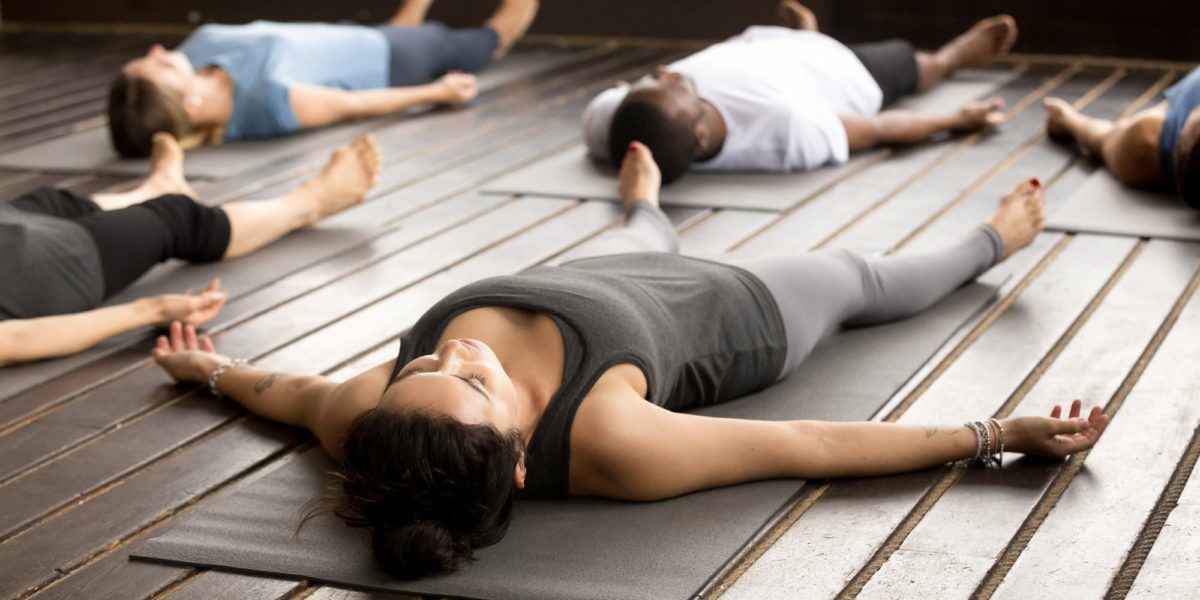
Prioritize Physical Comfort: Lie in Savasana (corpse pose) on a yoga mat or blanket. Use a small pillow under the head and a bolster beneath the knees to relieve lower back pressure. Because body temperature drops during deep relaxation, keeping a warm blanket over the body is recommended.
-
Maintain Stillness: The primary physical requirement is to remain completely still throughout the session. Physical stillness sends a clear signal to the brain that it is safe to down-regulate its defenses.
-
Release the Effort to Succeed: There is no way to perform Yoga Nidra incorrectly. If the mind wanders, simply bring the attention back to the guide’s voice. If sleep occurs, the subconscious mind still benefits from the practice.
Frequently Asked Questions
Can Yoga Nidra completely replace traditional nighttime sleep?
While Yoga Nidra is extraordinarily restorative and a 30-minute session can leave a practitioner feeling as refreshed as a multi-hour nap, it cannot entirely replace nighttime sleep. Biological sleep involves specific hormonal shifts, metabolic waste clearance via the glymphatic system, and sleep stages like REM that are distinct from the conscious awareness maintained during Yoga Nidra. It should be used as a supplement to, rather than a replacement for, a healthy sleep routine.
Is it normal to feel disoriented or cold immediately after a session?
Yes, both sensations are completely normal. During deep relaxation, the metabolic rate slows down, heart rate drops, and blood pressure decreases, which naturally leads to a drop in core body temperature. The feeling of mild disorientation, sometimes called a “sleep hangover,” occurs when transitioning too rapidly from delta or theta states back to waking beta states. Grounding yourself by drinking water, stretching, or walking barefoot on the earth helps resolve this quickly.
How does Yoga Nidra differ from modern progressive muscle relaxation?
Progressive Muscle Relaxation involves actively tensing and then releasing specific muscle groups to identify and eliminate physical tension. Yoga Nidra, by contrast, relies entirely on mental awareness and visualization without any physical contraction. Furthermore, Yoga Nidra incorporates deeper psychological and meditative layers, such as the setting of an intention and the rotation of consciousness, which are absent in purely physical relaxation protocols.
Can individuals with severe attention deficit disorders practice this successfully?
Yes, Yoga Nidra is highly beneficial for individuals who struggle with traditional seated meditation due to hyperactivity or attention deficits. Because the guided instructions move rapidly from one body part to the next, the overactive mind is given a continuous stream of simple focal points. This prevents the boredom or frustration that often arises when attempting to focus on a single object, like the breath, for extended periods.
What is the ideal time of day to perform a Yoga Nidra practice?
Yoga Nidra can be practiced at any time, depending on the desired outcome. Doing a session in the early afternoon, around the natural mid-day circadian dip, can restore energy without causing the grogginess associated with afternoon naps. Alternatively, practicing in the evening directly before bed can serve as an excellent wind-down routine to transition the nervous system into deep nighttime sleep.
Can you practice Yoga Nidra while sitting in a chair instead of lying down?
While lying flat on the back is the ideal posture for complete muscular release, Yoga Nidra can absolutely be practiced sitting upright in a supportive chair. The primary objective is to ensure the body is fully supported so that no muscular effort is required to maintain the posture. If sitting, use head rests and arm supports to allow the physical frame to relax completely without slumping or falling over.